The violets are flowering!

Sidewalk Greenspace on New York's Upper West Side
The violets are flowering!
Violets are definitely not the showiest flower in our garden — in fact, I suspect a lot of our neighbors walk past them without ever noticing their little blooms during the brief span of weeks when they’re out each spring… but I think they’re adorable, and I’m glad they have so thoroughly colonized the sidewalk treebed outside 215 W106th St.
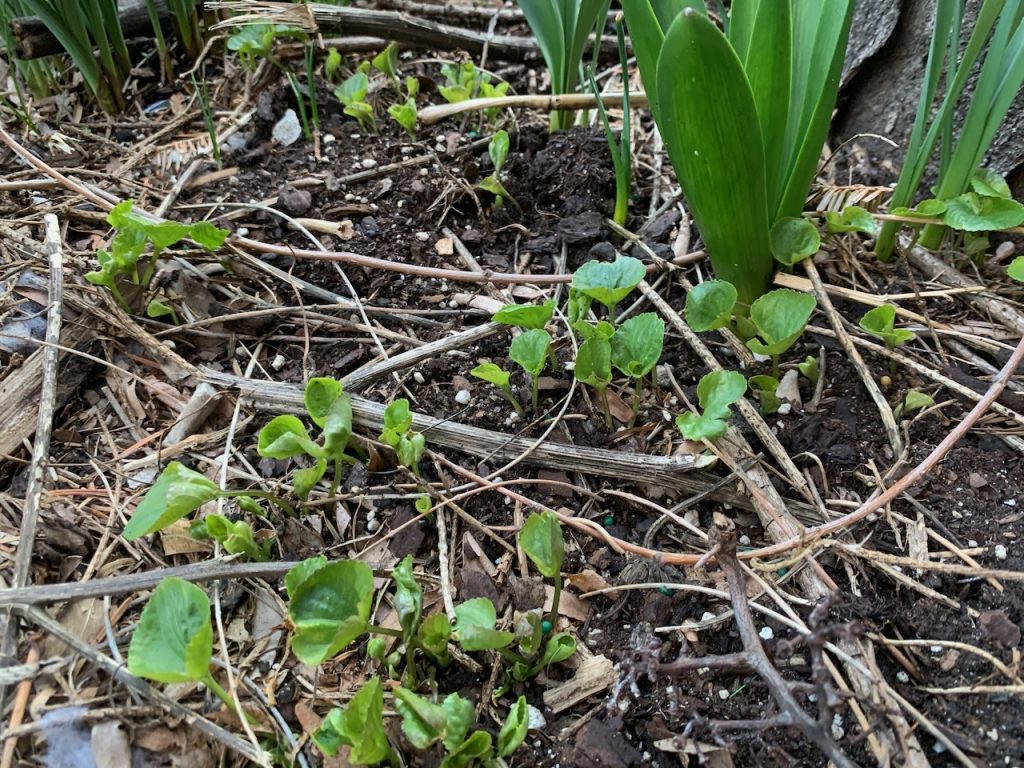
In this photo you can see their first leaves poking up through the dried twigs and stems of this winter’s pruning, with the much taller leaves of some flowering bulbs looming over them in the background.
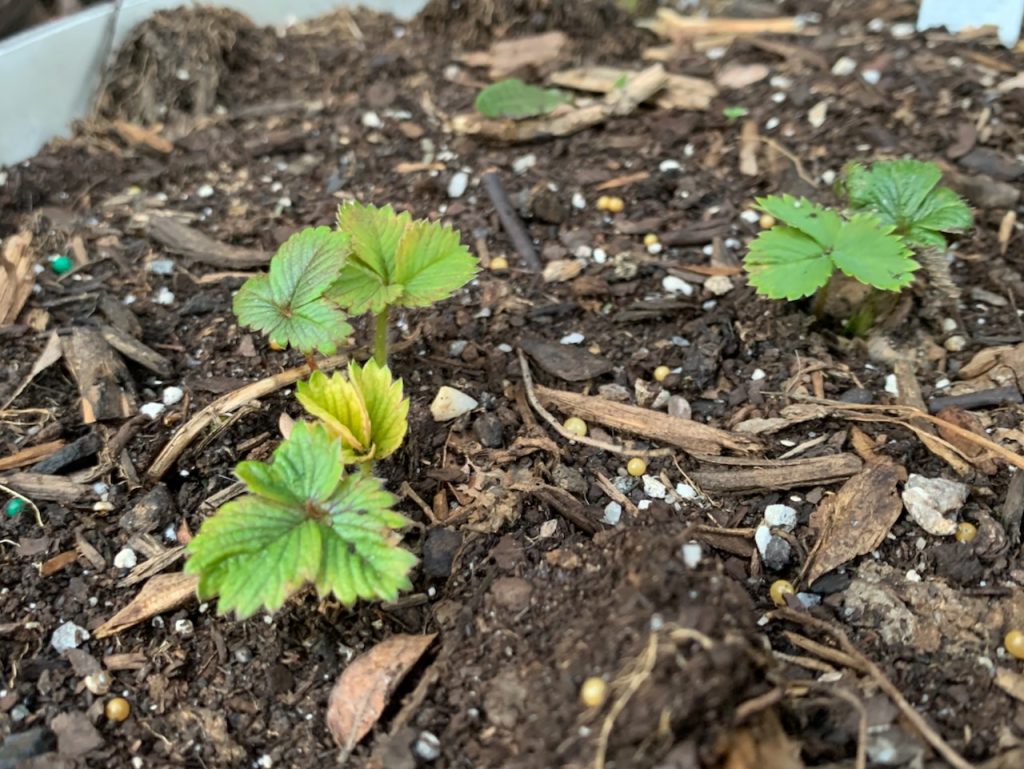
We planted a few strawberry plants in one of our sidewalk containers last year where they yielded a few tiny berries, and I wasn’t sure they’d built up enough strength to survive the winter, but here we are in the middle of March and I’m pleased to see that they’ve put up a health set of new growth.
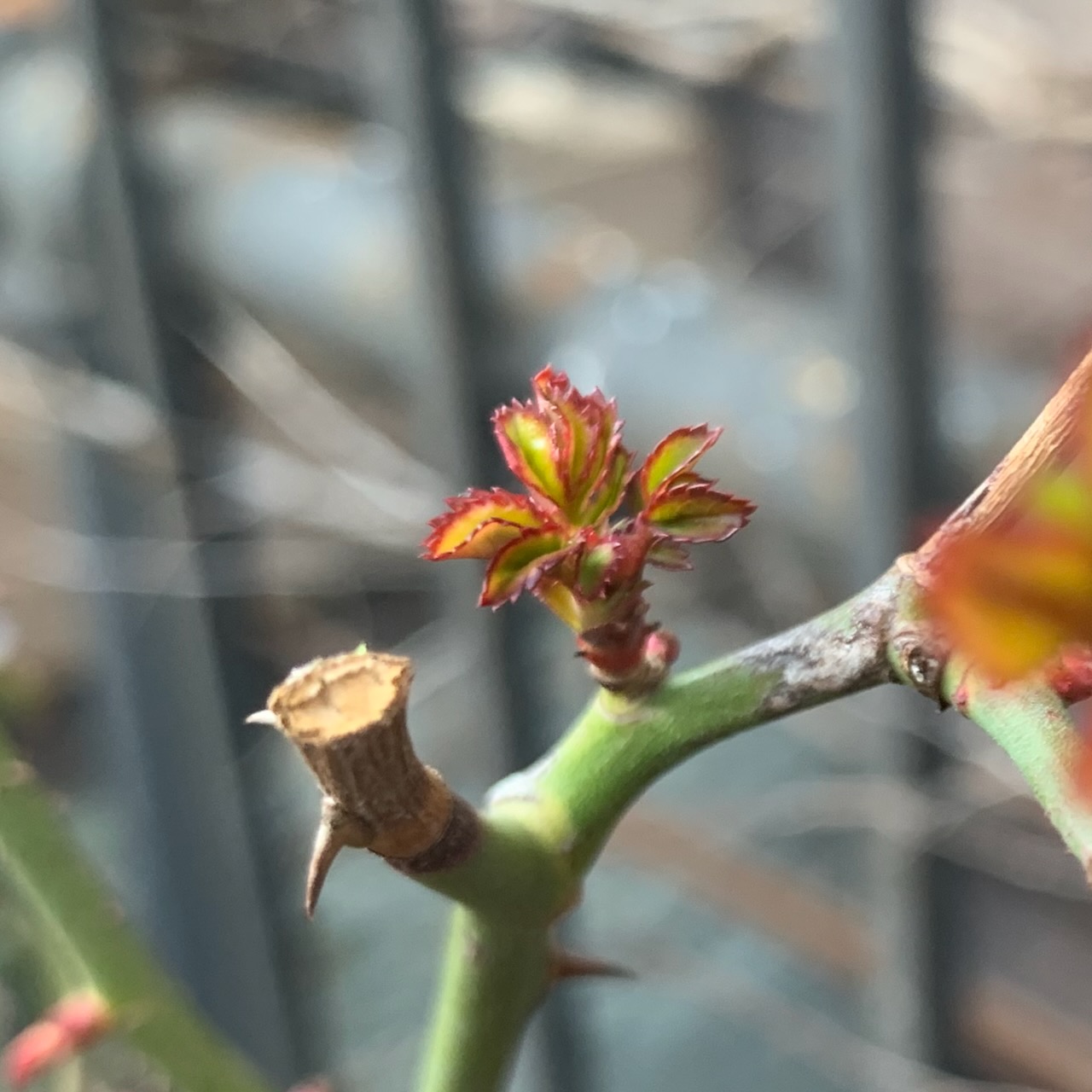
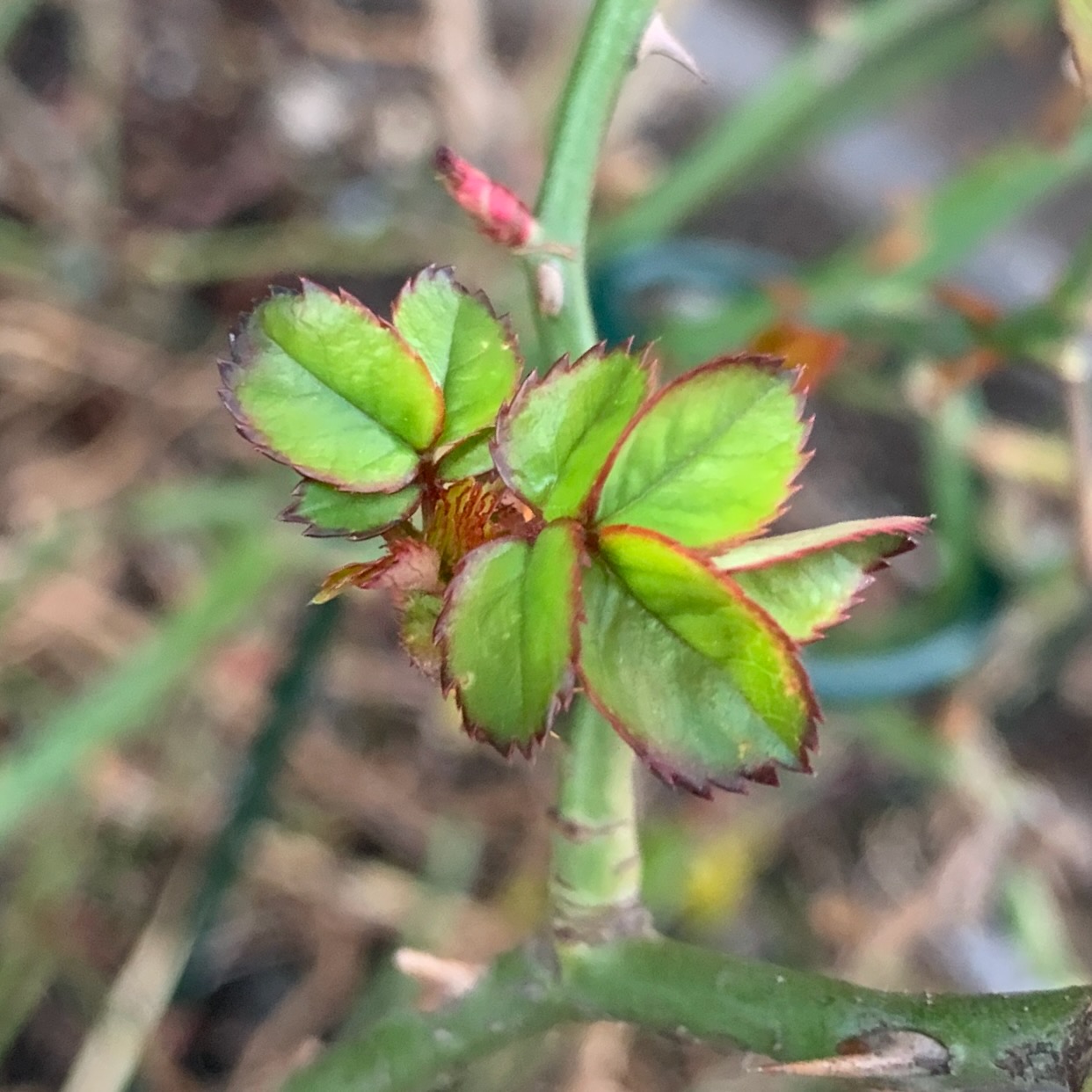
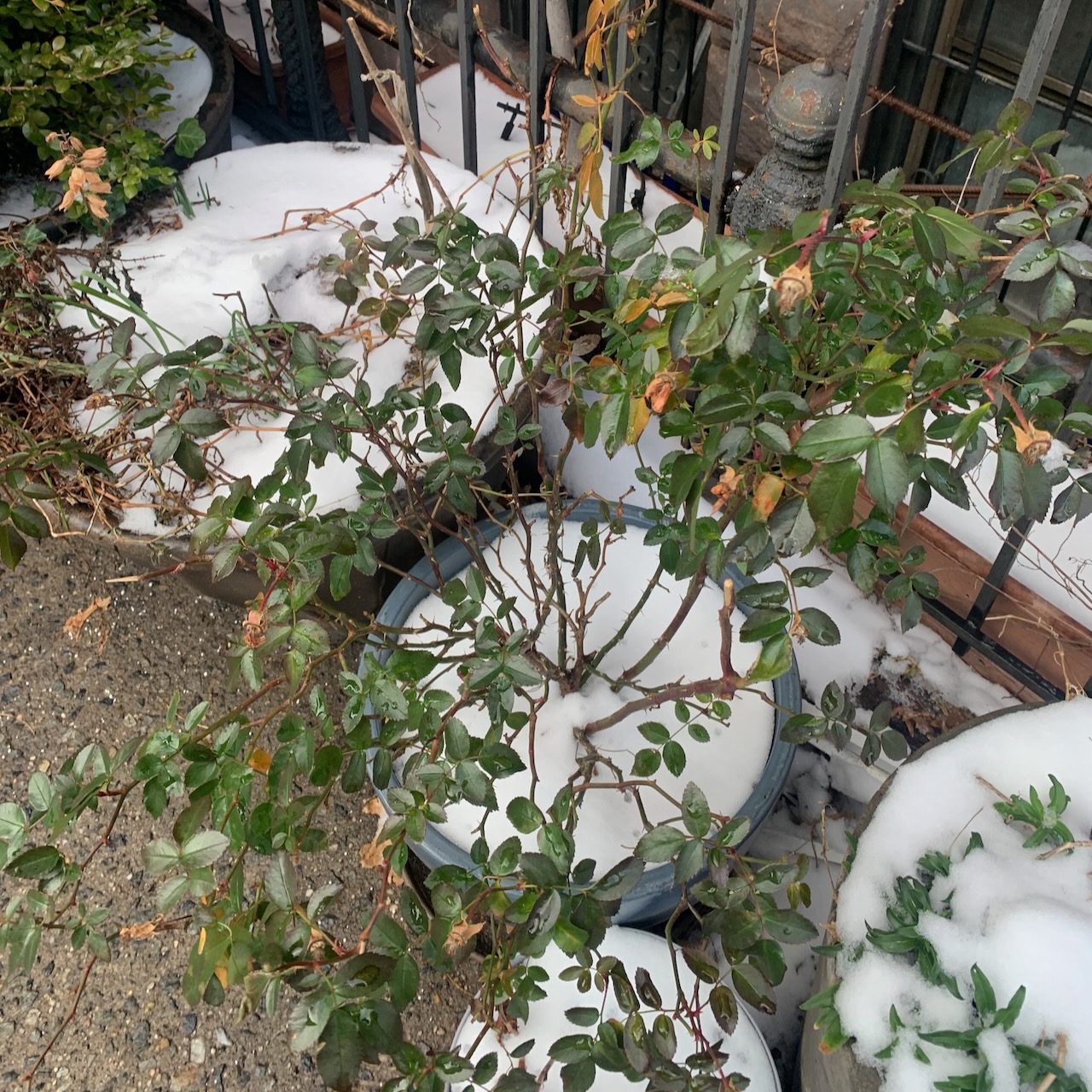
It’s still early, but a couple of the roses have decided that the risk of frost is over and have started to put out new leaves.
They may be jumping the gun — we’ll still have a few more hours late tonight that are just below freezing — but hopefully they’ll be able to weather that and will have a running start when daytime temperatures start hitting the fifties next week.
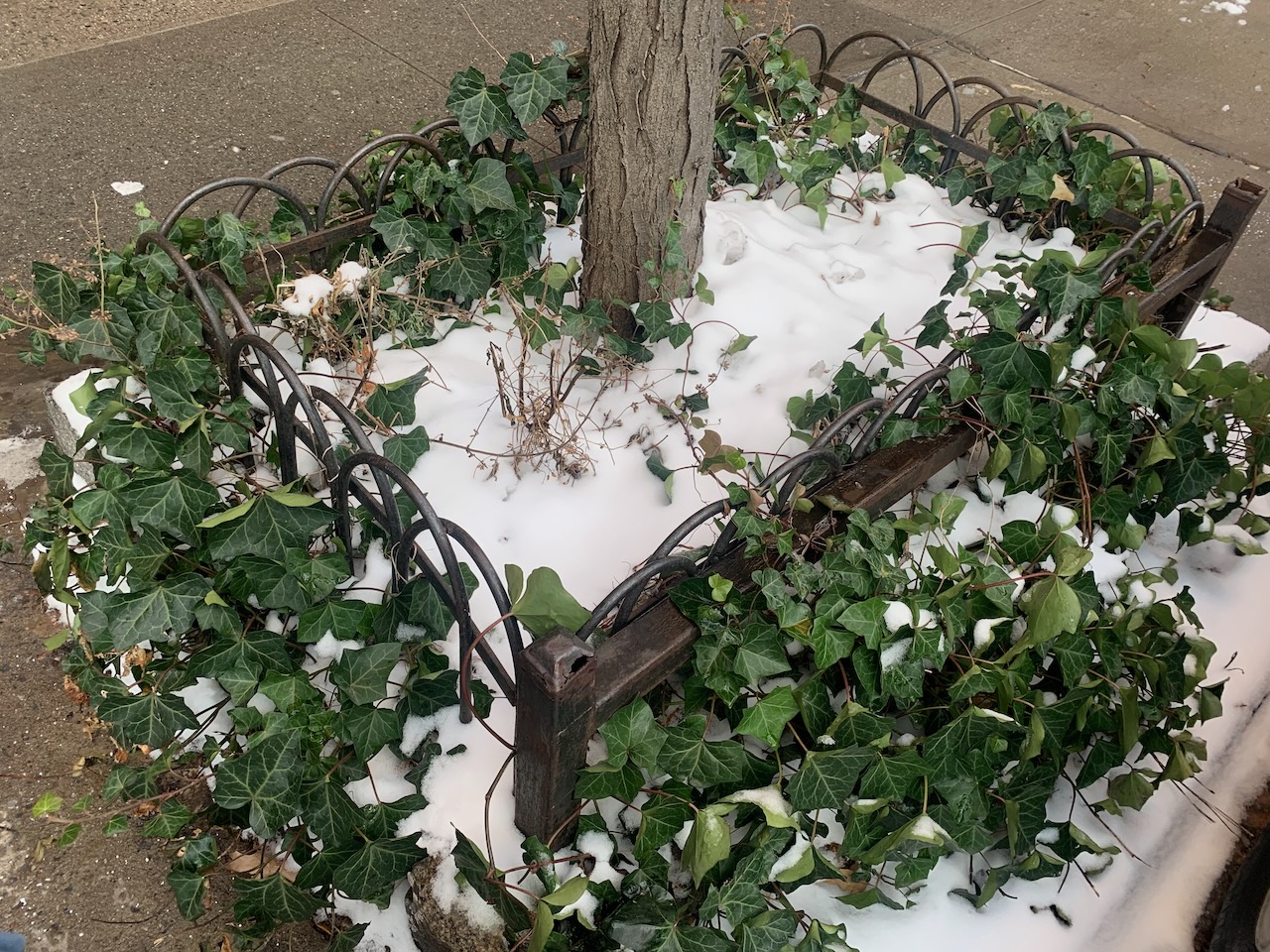
As is to be expected, many of the annuals in the garden have died back for the season — but a fresh layer of powdery snow highlights the ones that have retained their color despite the frost.
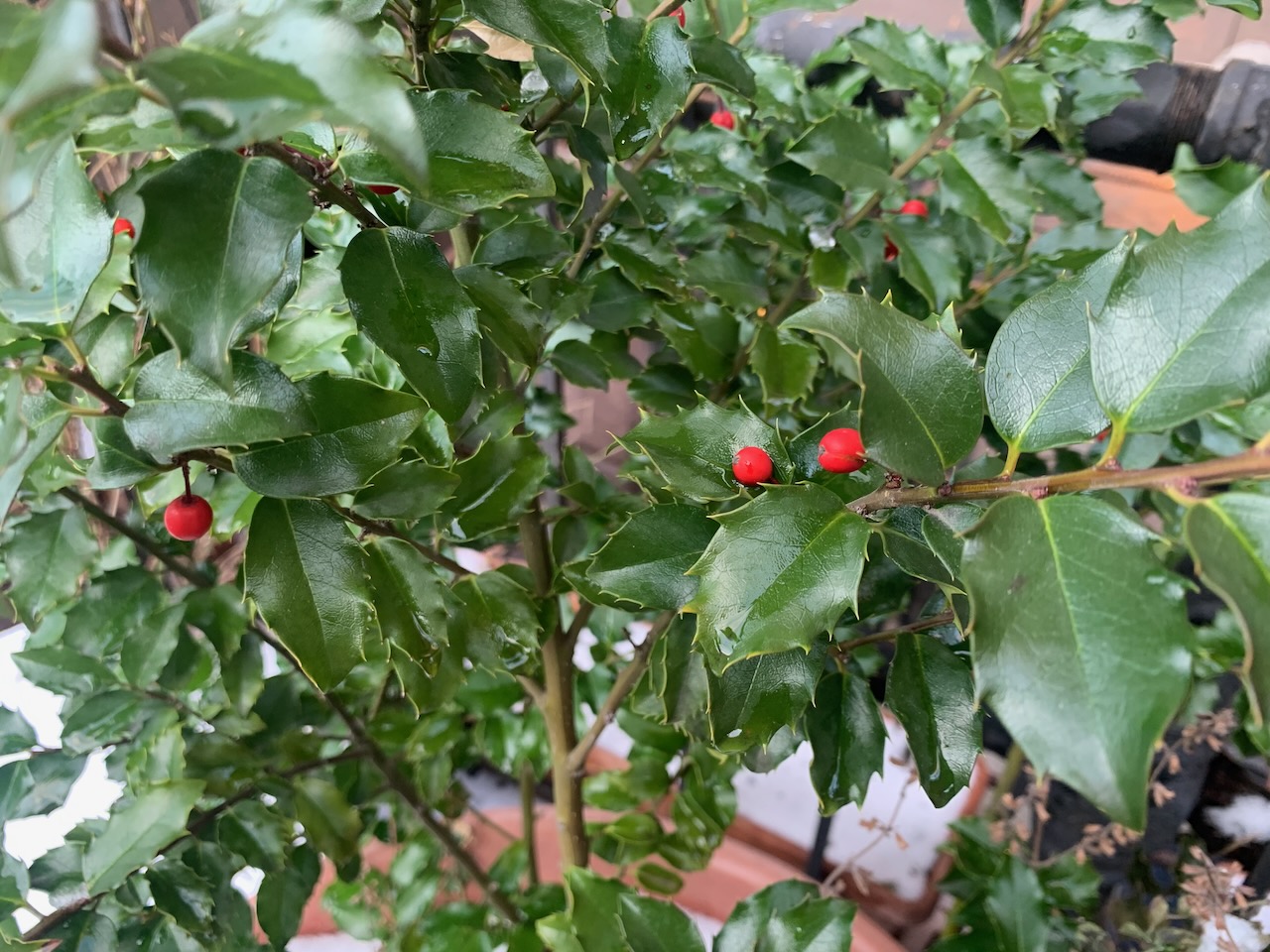
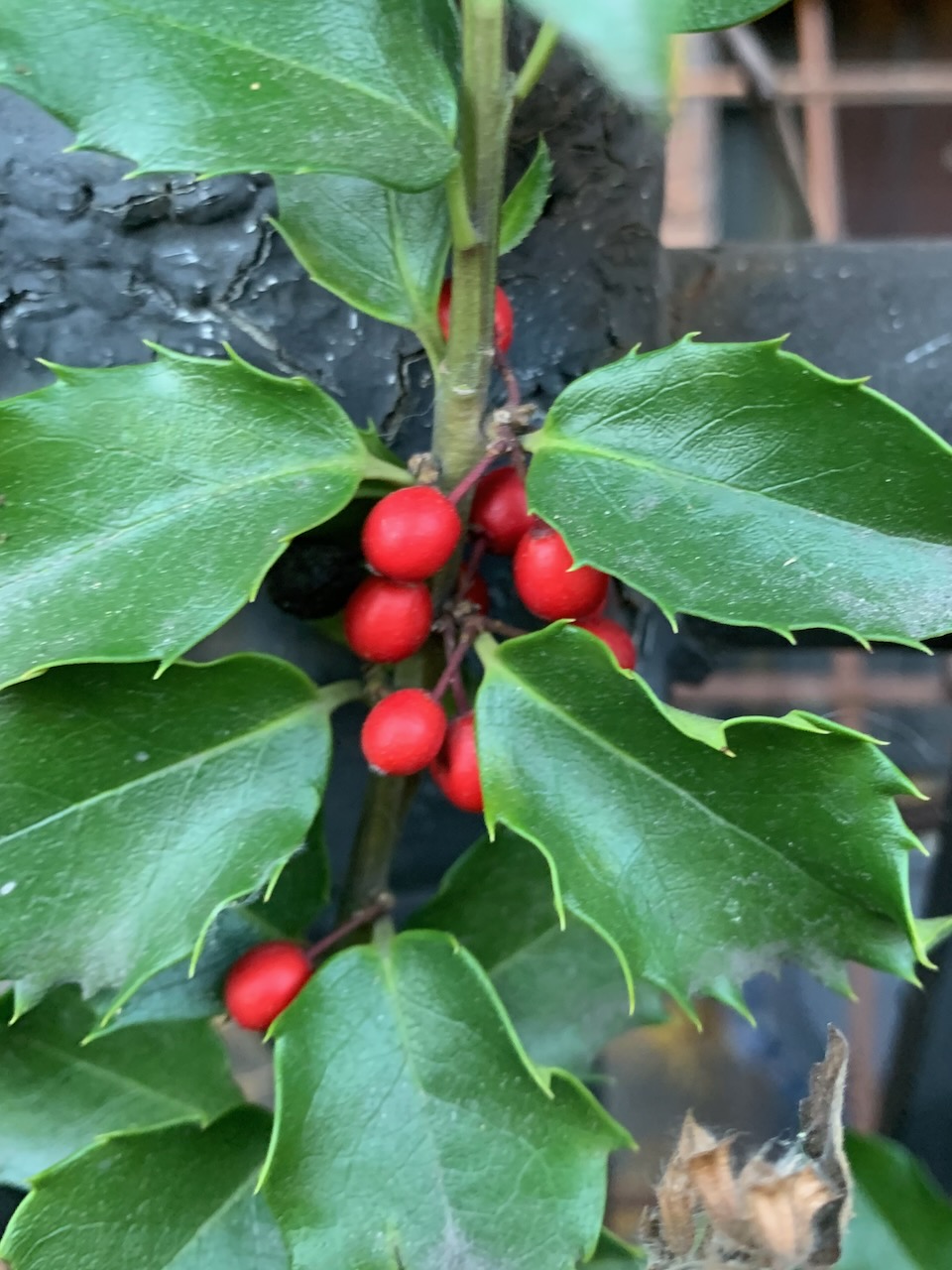
Our little holly bush has set some colorful fruit for the oncoming winter season.
Summer may be over, but the sidewalk garden is still ticking along.
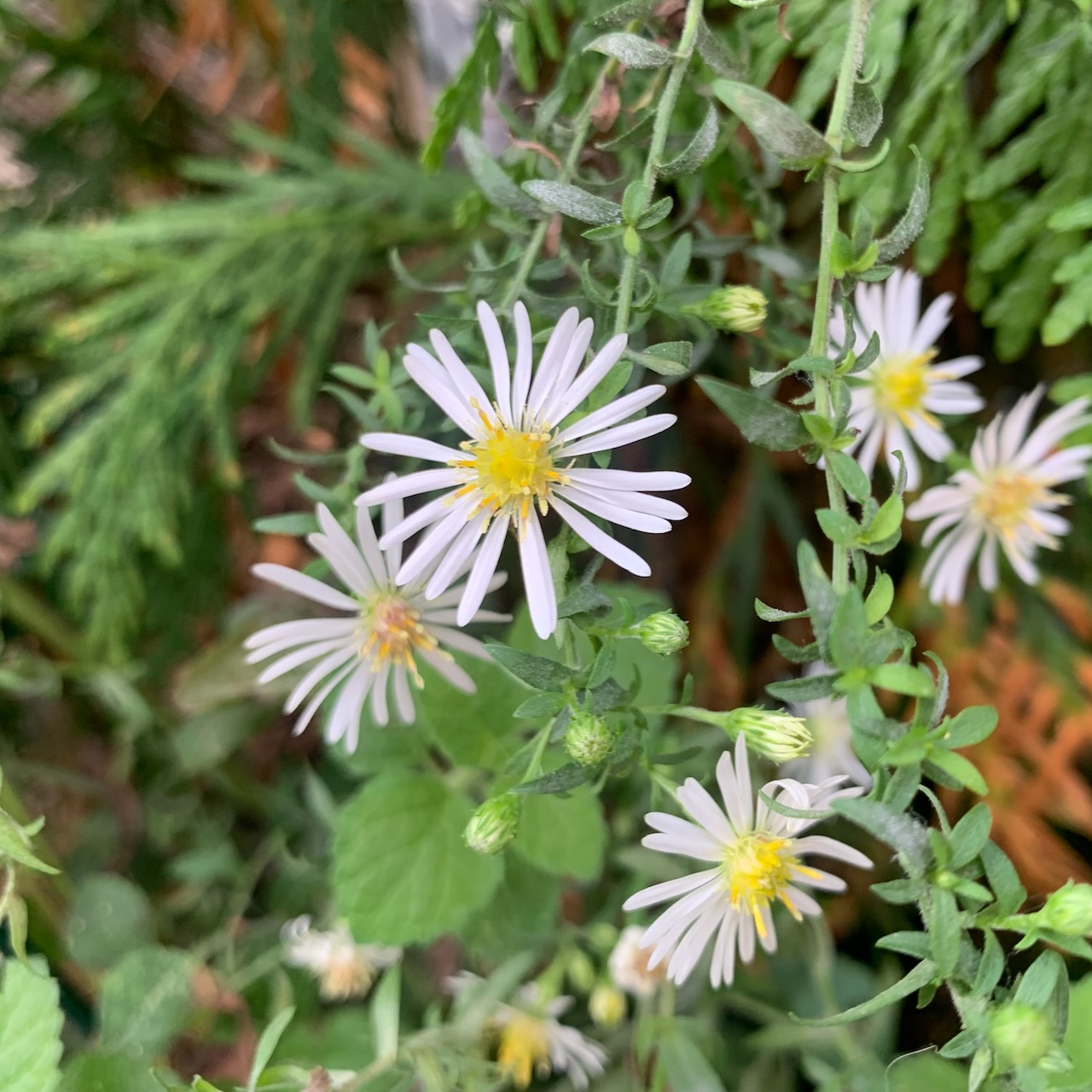
The asters which have looked plain all year are suddenly showing their delicate little flowers.
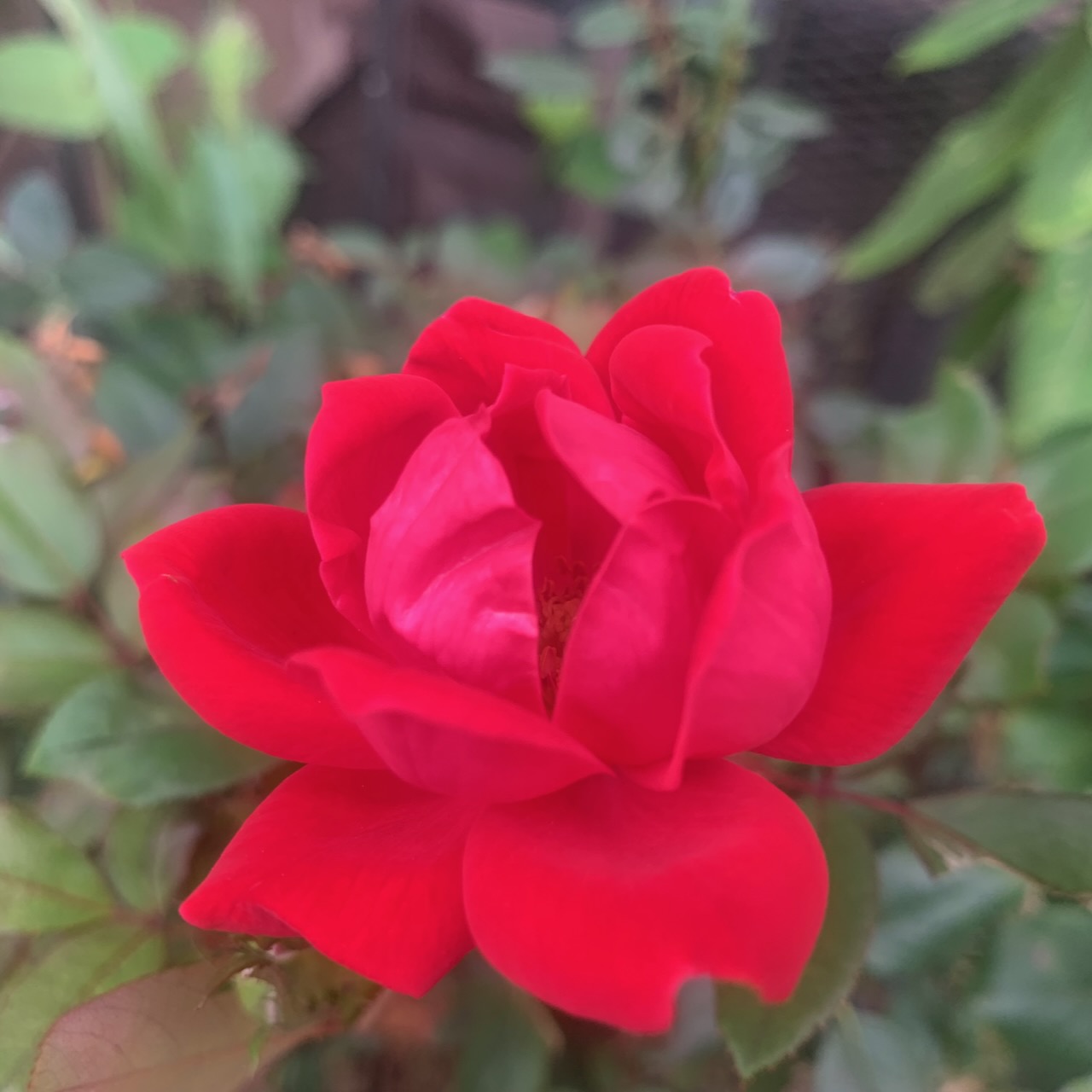
A couple of the rose bushes are still putting out new buds that are so intensely colorful that my phone’s camera doesn’t really know what to do with them.
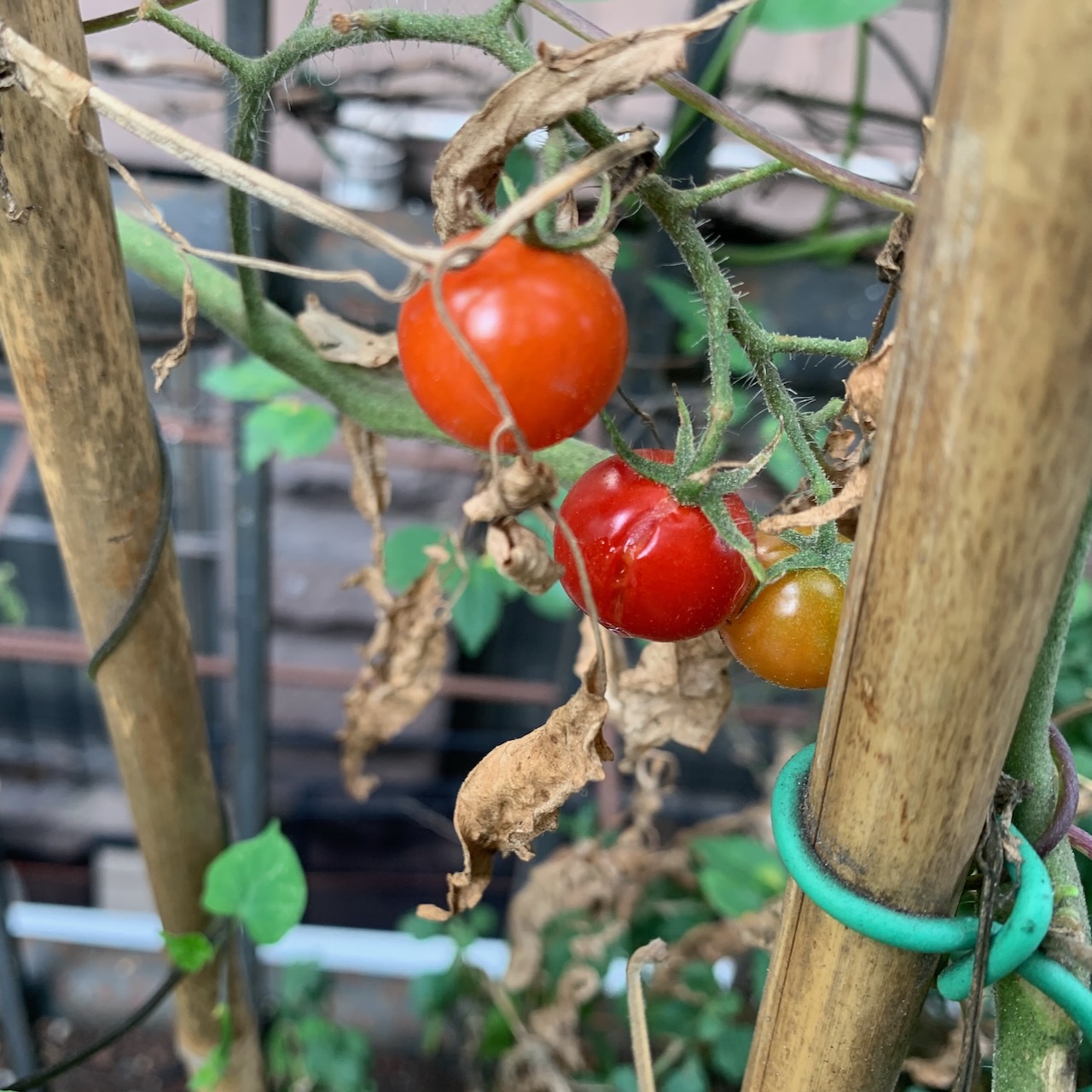
The tomato plants are dying back, but throwing the last of their energy into ripening just a few more fruits.
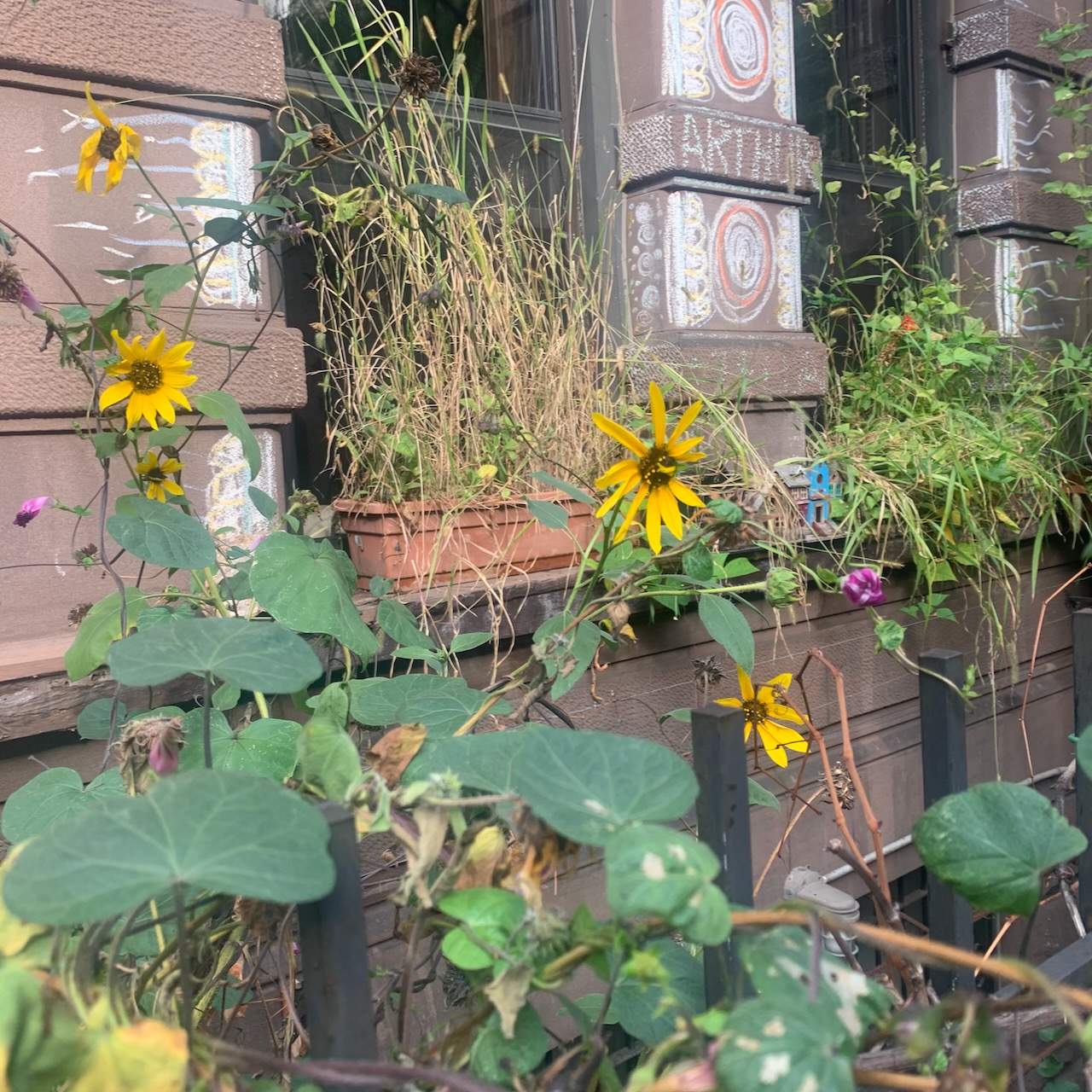
And the giant sunflower has decided to go out with a bang.
Typically I’m excited to find unexpected plants cropping up in the garden; I know many people would classify these surprise visitors as weeds, but I’m usually happy to find something new that’s vibrant enough to make a go of it in the challenging environment of our sidewalk containers.
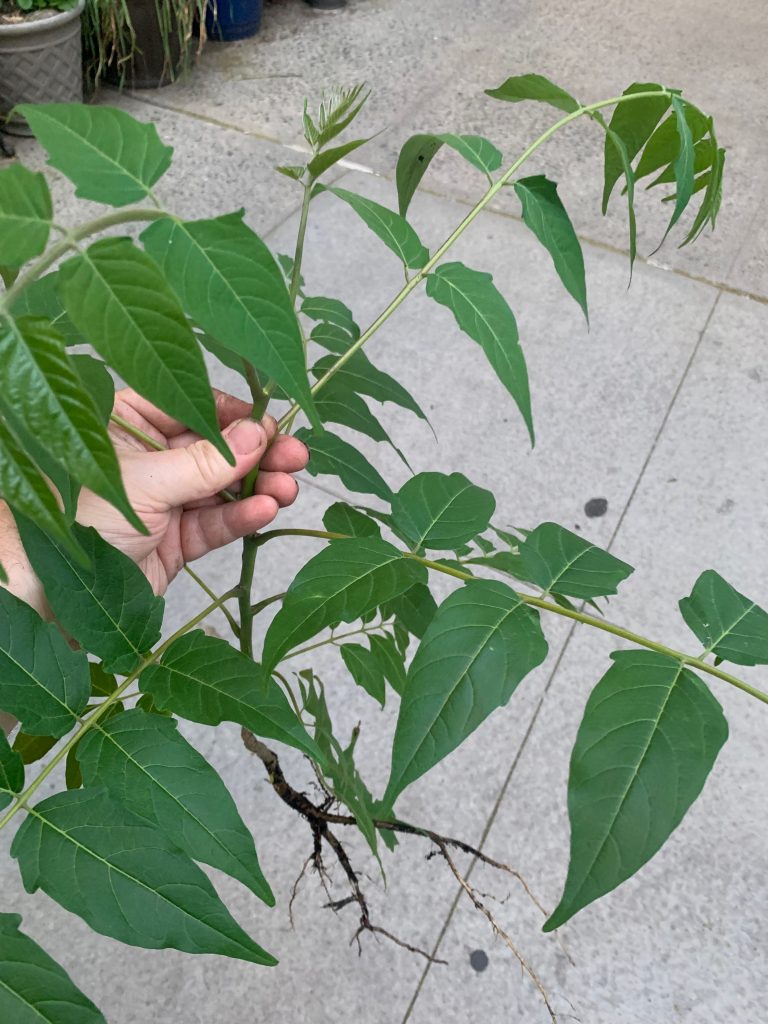
However there are a few exceptions, and when I noticed that a “tree of heaven” (Ailanthus altissima) had cropped up in one of the big grapevine planters, I knew it had to be removed. This invasive species not only has a tendency to crowd out other plants, it’s a preferred food source for the spotted lanternfly — spotted lanternflies flourish and produce more eggs when tree of heaven is present, and then go on to attack other nearby plants.
This unwelcome volunteer has now been banished to the city’s organics recycling bin, and I’ll keep an eye out for any siblings that may be lurking nearby.
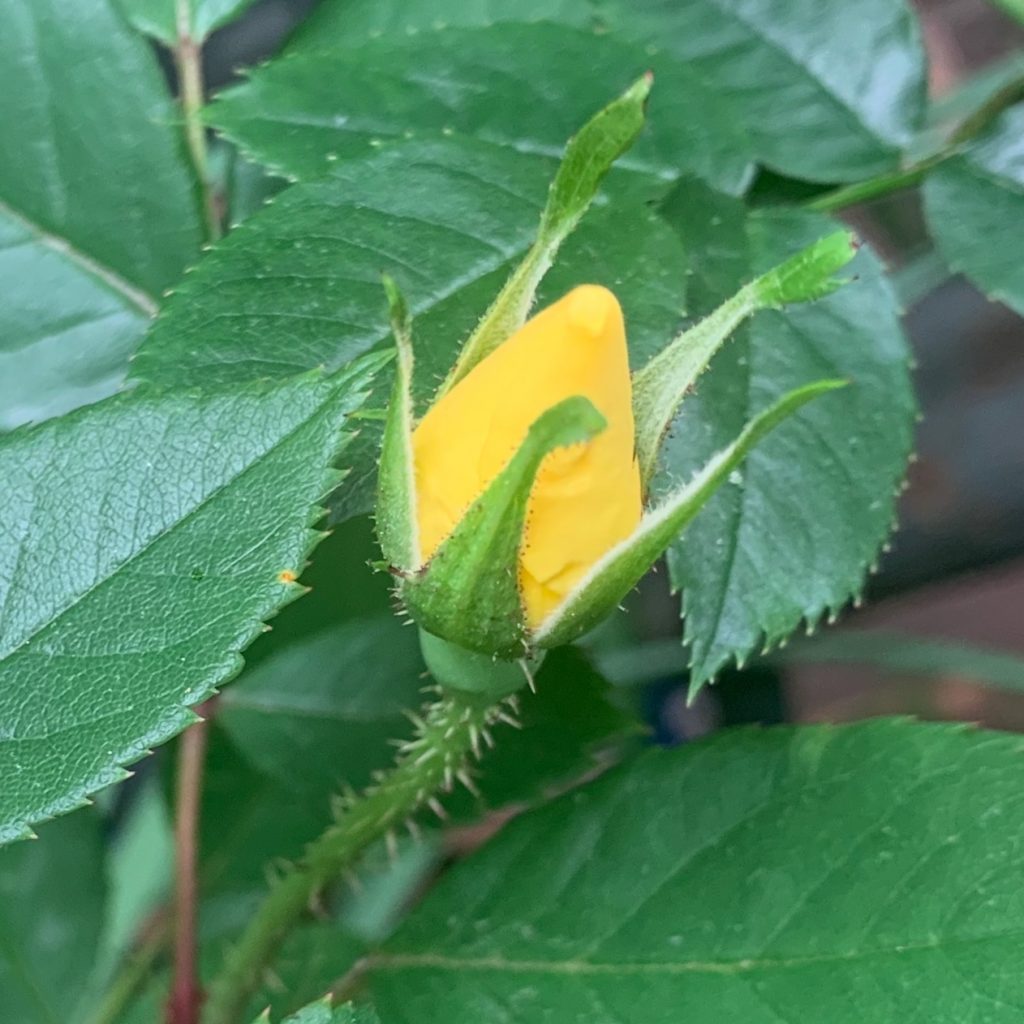
I held off on growing roses for a long time, on the grounds that they were a cliche — but then a few years I finally got one and it was such a pleasant addition that I’ve finally gotten over myself and now there’s a handful of specimens in the garden, including this one yellow example.
Our violets are not shrinking — in fact, they’ve fully established themselves in one corner of our sidewalk treebeds and come back in full force every year — although admittedly you do have to slow down and look in order to notice their blooms.
